If seeing a Spanish artist working on some of the biggest characters in American comics is commonplace today — just to name a few, Belen Ortega is currently drawing Absolute Catwoman, Javier Rodriguez is working on Absolute Martian Manhunter, and Jorge Jimenez has become one of the most iconic Batman artists of the new millennium — things were very different in the 1990s. But that was precisely when things were beginning to change.
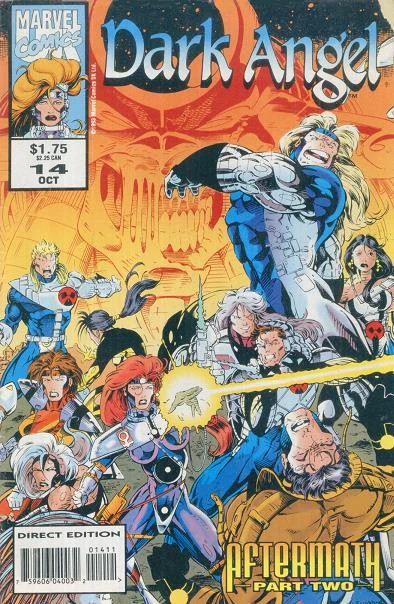
It was in this context that Salvador Larroca began his long career. Alongside the late Carlos Pacheco, Larroca took his first steps into Marvel through Marvel UK, the British branch of the US comics giant. During its years of expansion in the 1990s, before eventually shutting down, Marvel UK served as a training ground for a remarkable number of talents, producing both unusual projects and small gems that helped launch numerous writers and artists who would go on to become international stars.
Larroca continued his career in the United States, working on Heroes Reborn and then on an extended run of Fantastic Four with Chris Claremont before moving on to the X-Men, which he would draw at various points over the next fifteen years, including the series X-Treme X-Men. In 2008, coinciding with the release of the film, he relaunched Iron Man alongside Matt Fraction in one of the character’s most acclaimed runs, earning an Eisner Award in 2009. After spending much of his career drawing superheroes, in 2015 he joined the group of artists working on Star Wars projects, including Darth Vader and Doctor Aphra.
At COMICON Bergamo, we spoke with the Spanish artist about his beginnings, his career, and his style, which over the years has evolved towards an increasingly realistic approach without losing sight of his more cartoon-oriented roots.
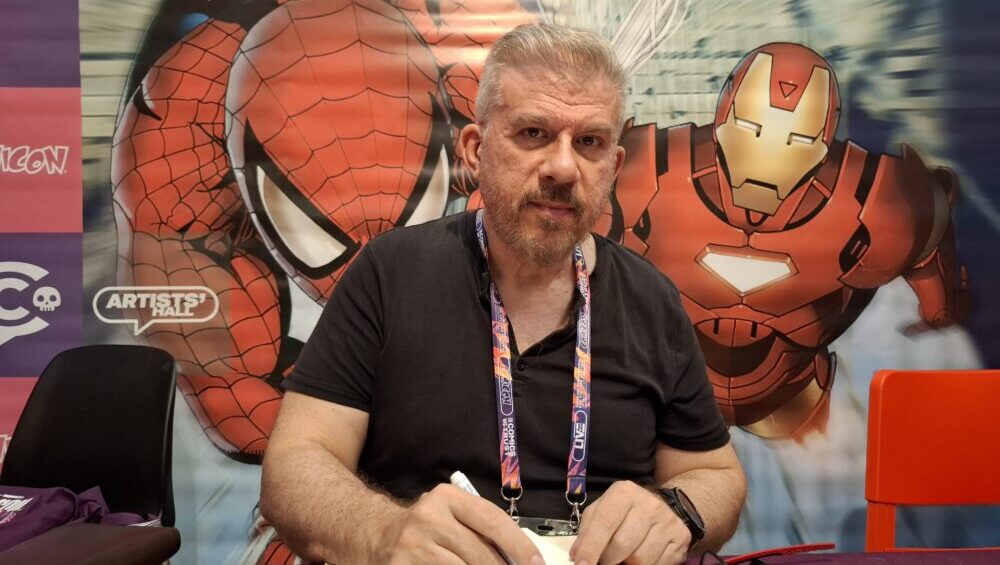
Good morning, Salvador, and thank you for your time. We’d like to go through your career, starting with the beginning: when did you decide to pursue this path, and what were your first inspirations? I read that you initially had another job, as a cartographer.
It’s not really something you decide; it’s something that comes with you through life, from the moment you’re born. I’ve always loved drawing, ever since I was a very young child, but the real decision to become a professional came when I was 28, when Marvel UK offered me a job. At the time, I was working with a Spanish distributor of the Marvel Comics brand. I was making posters and short stories for them, and that’s how Marvel UK saw my work and offered me the opportunity to devote all my time to comics.
Speaking of Marvel UK and then your move to the US market, you were one of the first Spanish creators to make it in the United States, alongside Carlos Pacheco and Pasqual Ferry. What was it like entering such a different environment from the Spanish comics scene?
Carlos was there with me; Pasqual came later. The thing is, we did everything together. Carlos and I tried to make decisions together because we had a shared goal and wanted to move forward side by side.
We both found our way there, starting out with DC Comics. I started with Marvel, but I also did six issues for DC, and it was all very exciting because we spent all our time planning things. It was a way of working together as professional colleagues, but also of sharing an adventure as friends.
Compared with those years, how do you see the evolution of the American market, especially when it comes to Spanish artists? Today, I think Spanish artists are one of the largest communities working for Marvel and DC, or for the American comics industry more broadly, alongside Italian artists.
Things are very different now compared with when we started. There’s the internet, and if you have a fast connection, you can work from anywhere. Talent is talent, wherever it comes from. But back then, most artists would send their pages by FedEx or DHL. We arrived at Marvel at a time when pencil artists were real stars. We got to experience that era too.
Now artists are workers, compared with the people who write the stories. I could tell you countless stories about myself, Carlos, Pasqual and other people that many wouldn’t believe today. Back then, artists could do things that simply aren’t possible anymore. When I started, the editor would give me the plot and I would draw it. Today, the editor tells you how you’re supposed to do things. The people who own the characters and hold the licenses tell you how to draw, say, a lightsaber. It’s not all up to you anymore. And that’s a huge difference.
Sales are lower and the pay is lower — much lower. That’s why I prefer working on my own projects rather than being under an editor’s control.
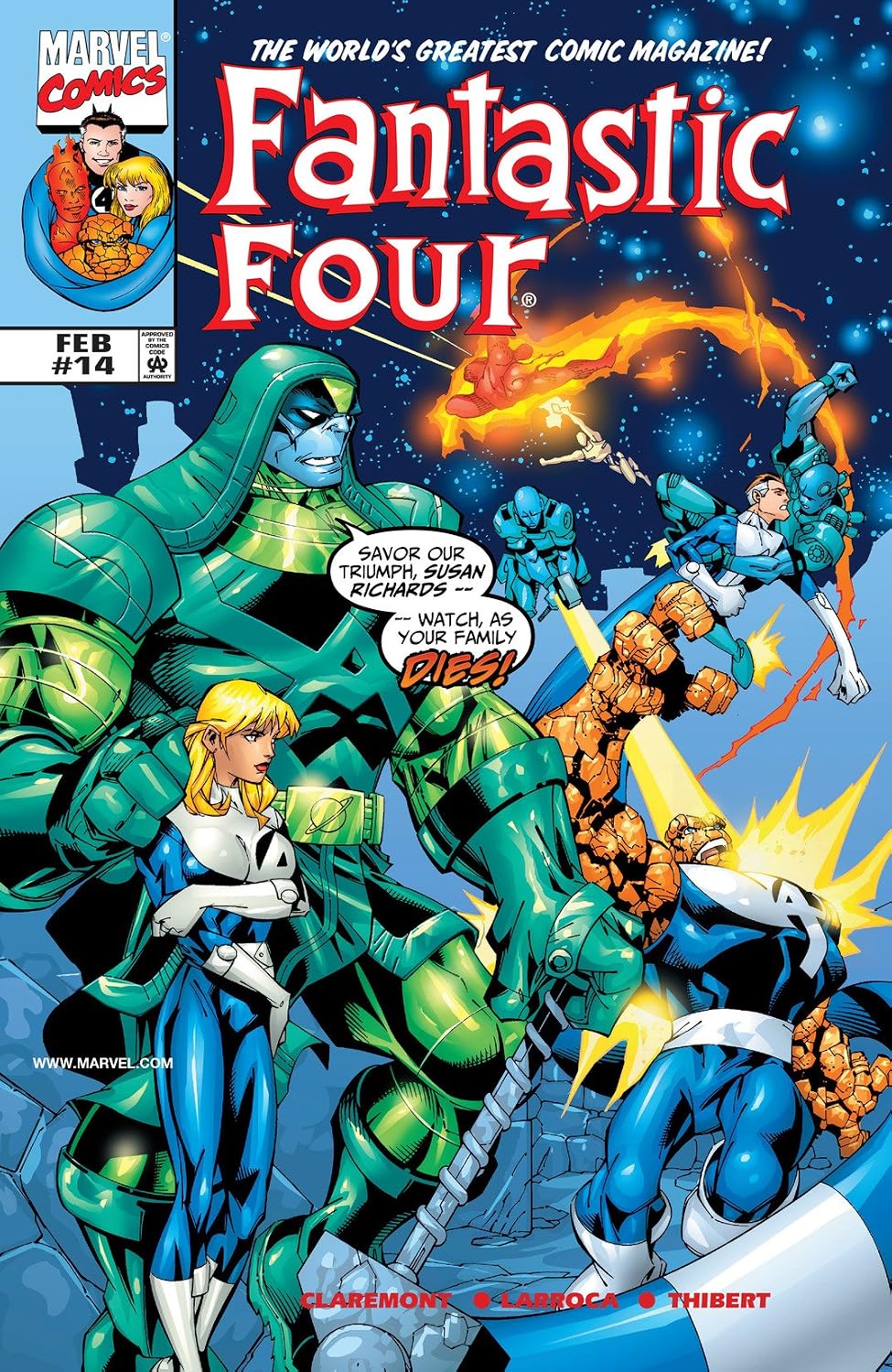
After Ghost Rider and various fill-in issues that helped establish your reputation in the market, your first major test came with Heroes Reborn and then Fantastic Four with Chris Claremont — a long run that introduced changes that weren’t always well received by fans. What do you remember about that period and, above all, about working with Claremont, who was already a legend of American comics at the time?
It was very exciting because I was a fan of his work. My favourite X-Men team was Claremont, John Byrne and Terry Austin on inks. That was my dream team. And later, of course, there was Chris Claremont with Jim Lee. So for me, it was really exciting.
But Chris is very slow when it comes to writing. I would often ask my editor, “Please, give me a plot. I need more material.” And she told Chris Claremont that I was pushing him to get the scripts to me faster. So, at a convention in the United States, I saw him walk up, sit down next to me and say, “Sorry, Salva, I’ll try to be faster.”
He was very kind and very polite to me, and I understood the pressure he was under. From that point on, we became very good friends. He came to Spain and spent a week at my house, and I spent a week at his. We worked together many times, and we still keep in touch from time to time, because he’s a really great person.
Your career began in the 1990s and has continued up to the present day. A lot has changed during that time, not only in the way you work but also in terms of style. Your own style has evolved considerably since your early work. What inspired that evolution over the years, and what do you make of the changes in the industry?
At first, I tried to imitate the styles that were popular. Joe Madureira, Jim Lee, whatever was fashionable at the time. When I developed a more personal style, I think it was simply a matter of time. When you spend years working hard, eventually you develop your own style completely. Once I became happy with my work, I decided that every project should have a different style.
For example, when I did Heroes Reborn, my approach was closer to Madureira’s style. When I worked on New Universal, I tried to be more realistic because, in my mind, that style suited the story better. The same thing happened with Iron Man. But when I drew X-Treme X-Men, for example, I used a much more cartoon-oriented style.
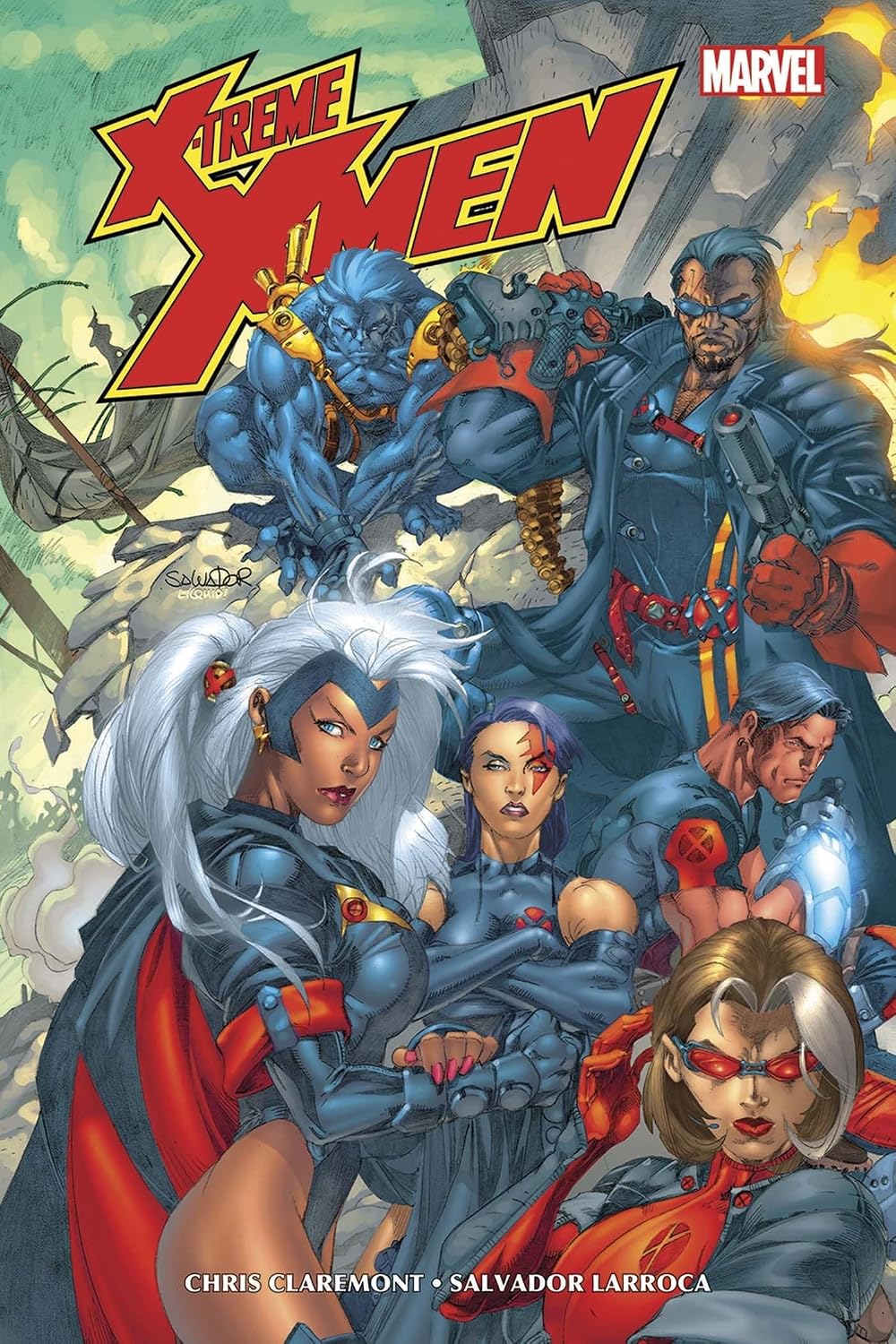
Speaking of X-Men, you’ve worked on these characters many times, at different points in both your career and their publishing history. You drew X-Treme X-Men, but you also worked on Uncanny X-Men on several occasions. What is your relationship with these characters? How did it begin, and how has it evolved?
I think someone once told me I’m the artist who has drawn the most X-Men series in history, if you add up all the different titles!
When I started working on X-Treme X-Men, it was my own series, so I have a particularly strong connection with it. My children were young at the time, and we would talk about the stories at dinner or while we were spending time together. To them, those characters were part of this family they were always hearing about but never actually saw. It was as if Uncle Wolverine lived in the United States, but sooner or later he was going to come to our house. So for me, it was something very personal at the time.
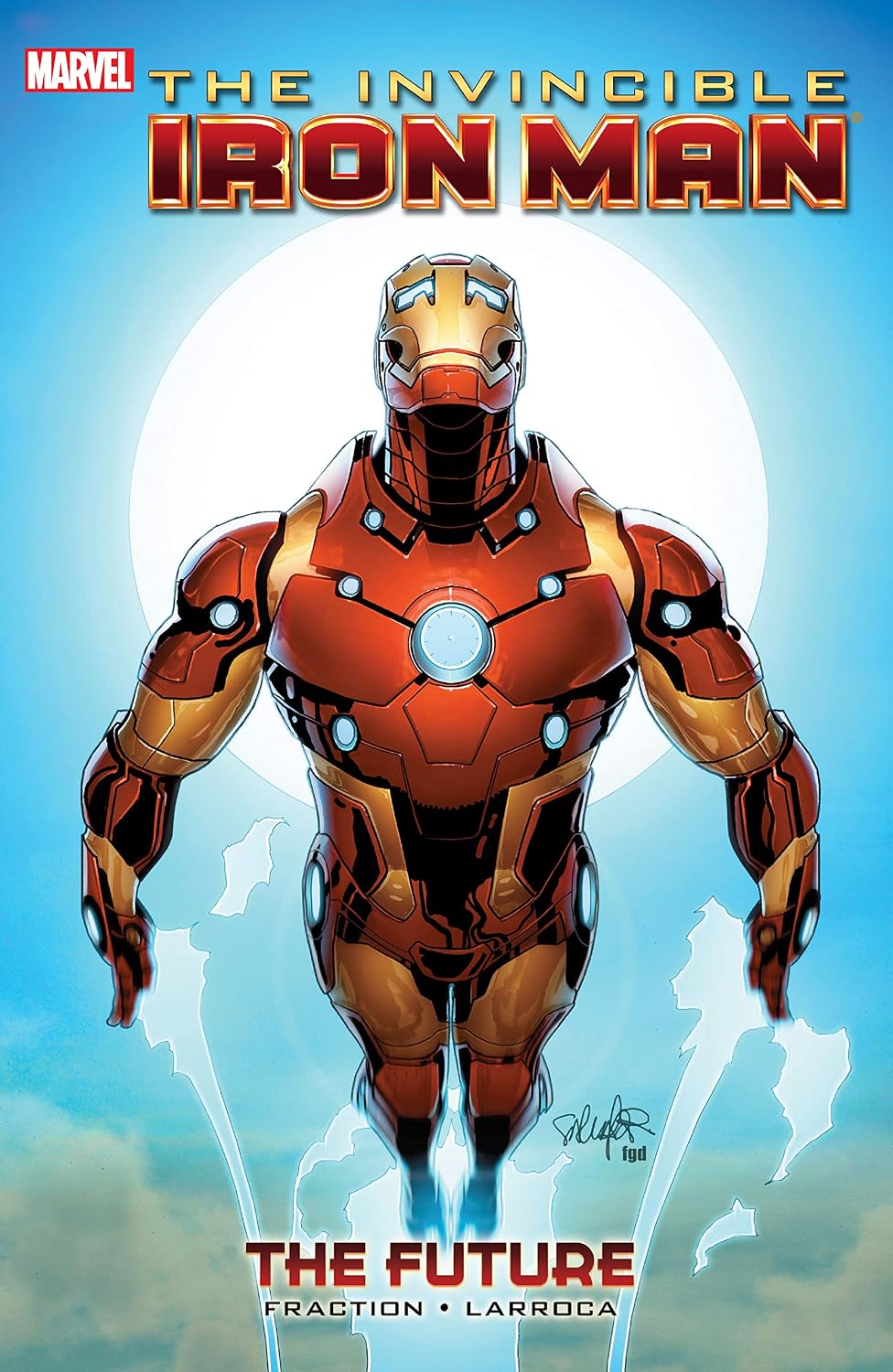
You’ve also talked about Iron Man. You worked on the character in the 2000s, around the time the movie was released, when he suddenly became much more popular than he had been in the past. Did you realise, while you were working on him, that something was changing for the character? And what do you think you and Matt Fraction brought to him?
I’m not a huge fan of the character, but that Iron Man run was one of the best I’ve ever worked on. When you ask readers, many of them think Iron Man has always been a constant presence with regular series, but that’s not true. The comic was cancelled at one point, and Tony Stark was more of an Avengers member than a solo character. Back then, he was almost like James Bond: a billionaire, an alcoholic, very active with women.
When they started working on the movie, we were told that we needed to clean up the character’s image and build a new Tony Stark who was more suited to modern times and more realistic. That’s why they chose Matt, who was working in television at the time. He understood the language of television storytelling: with very few words, he can say a great deal.
He doesn’t need, like Chris Claremont, who is a more traditional kind of writer, three pages of plot. Matt is very effective with his choice of words. On my side, I tried to draw a realistic Iron Man, because I believe that, in my view, technology should be believable: you should be able to imagine that it could actually exist somewhere.
The movie was successful, and the comic rode that wave. Maybe at another point in history we wouldn’t have received the same response. But at that particular moment, audiences had a very positive attitude towards the character. And so the comic was successful too.
It was a more modern version of the character, in a way.
It was more interesting. Maybe we were simply very lucky to be in the right place at the right time. But that’s really how it happened.
In recent years, you’ve mainly worked in the Star Wars universe. What was it like moving from superheroes to another franchise with completely different rules? There are countless Star Wars comics, but it isn’t really a comics publisher in its own right. How different was it for you?
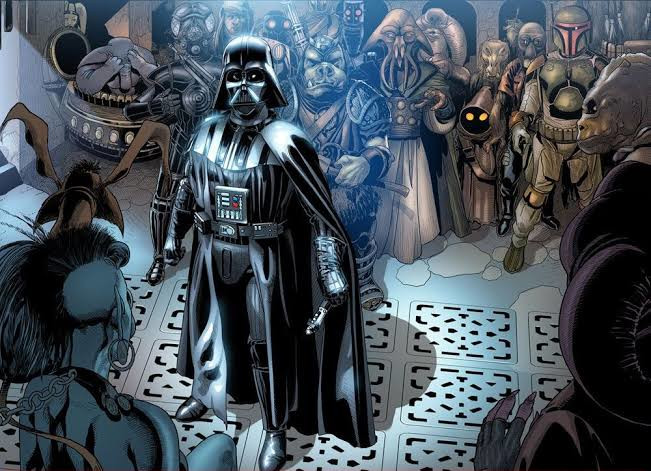
I was a Star Wars fan. When Marvel acquired the license, they offered me the chance to work on Darth Vader. It was very exciting for me because I didn’t know Lucasfilm yet. To be honest, now I know them, and I don’t want to work for them anymore because they are extremely demanding: they make you change a huge number of things. You have to be incredibly precise, sometimes to a point that can seem almost absurd, because you end up spending more time redrawing pages than creating new ones.
That’s why, at this point, I’ve decided to leave both Star Wars and Marvel.
Speaking of the precision they require, there has been a lot of discussion about some of your drawings in recent issues, which seemed very similar to certain shots from the films. Was that something that came directly from Lucasfilm?
Well, Lucasfilm wants the characters to look exactly as they do in the films, but they don’t want you to simply copy shots from the movies. The problem is that sometimes you don’t have many references — Mark Hamill, for example. And I’m not their father: I recognise their faces, but I can’t recreate them perfectly from memory alone. I prefer to be accurate by using photographs. Some fans don’t like the use of photographs in comics, but personally, I don’t care. I just want to do the best job possible. If you’re going for realism, I want the characters to look realistic.
My criticism of Lucasfilm isn’t about the characters themselves. It’s about all the extremely specific instructions, like how you’re supposed to do your job in terms of perspective, where things should be positioned within a panel, and all those little details: “Move the character one centimetre to the left.” Or, “You can’t have the character speaking on the left.”
Those are precisely the kinds of decisions that, normally, you should be making yourself as a storyteller. They hire you to do the job, and then they tell you exactly how they want you to do it. I find that very frustrating. I’m the kind of person who struggles with authority when I see that certain things don’t make sense.
The rise of artificial intelligence has already changed the world of illustration, drawing and image generation, particularly when it comes to realistic imagery, which is a style you use extensively. How do you approach this new tool? Do you see more risks or more opportunities?
Everything created by AI looks the same. You can easily tell the difference between it and something made by a human being. I think an artist’s personality is the most important thing we offer the reader. I don’t like AI. I understand that it can be very useful for other kinds of work, but not creative work. It’s like asking what you prefer: the Rolling Stones’ music, or something you created by going to a website and typing in what you want. Today anyone can make a song, but that doesn’t mean they’re an artist.
I think AI is very useful, for example, when studying images from telescopes. You can discover new galaxies because we look for patterns and structures in images, and AI can analyse that information. To me, that’s a very useful application. But not art — in any of its forms: film, comics, writing, music, or any other kind of creative work.
You’ve worked in this industry for more than 30 years. Looking back, which project do you feel most attached to? Are there any regrets or dreams that you still have — something you’d like to do that you haven’t done yet?
Well, my dream now is to work on my own projects, and that’s what I’m doing at the moment. I’ve already published in Spain, and now we’ll probably publish in Italy as well. I’ll also be publishing in two other countries: France and one more. If I can avoid it, I won’t go back to working for Marvel. I hope my creator-owned projects work out, so I won’t have to.
Interview conducted at COMICON Bergamo on June 28, 2026.
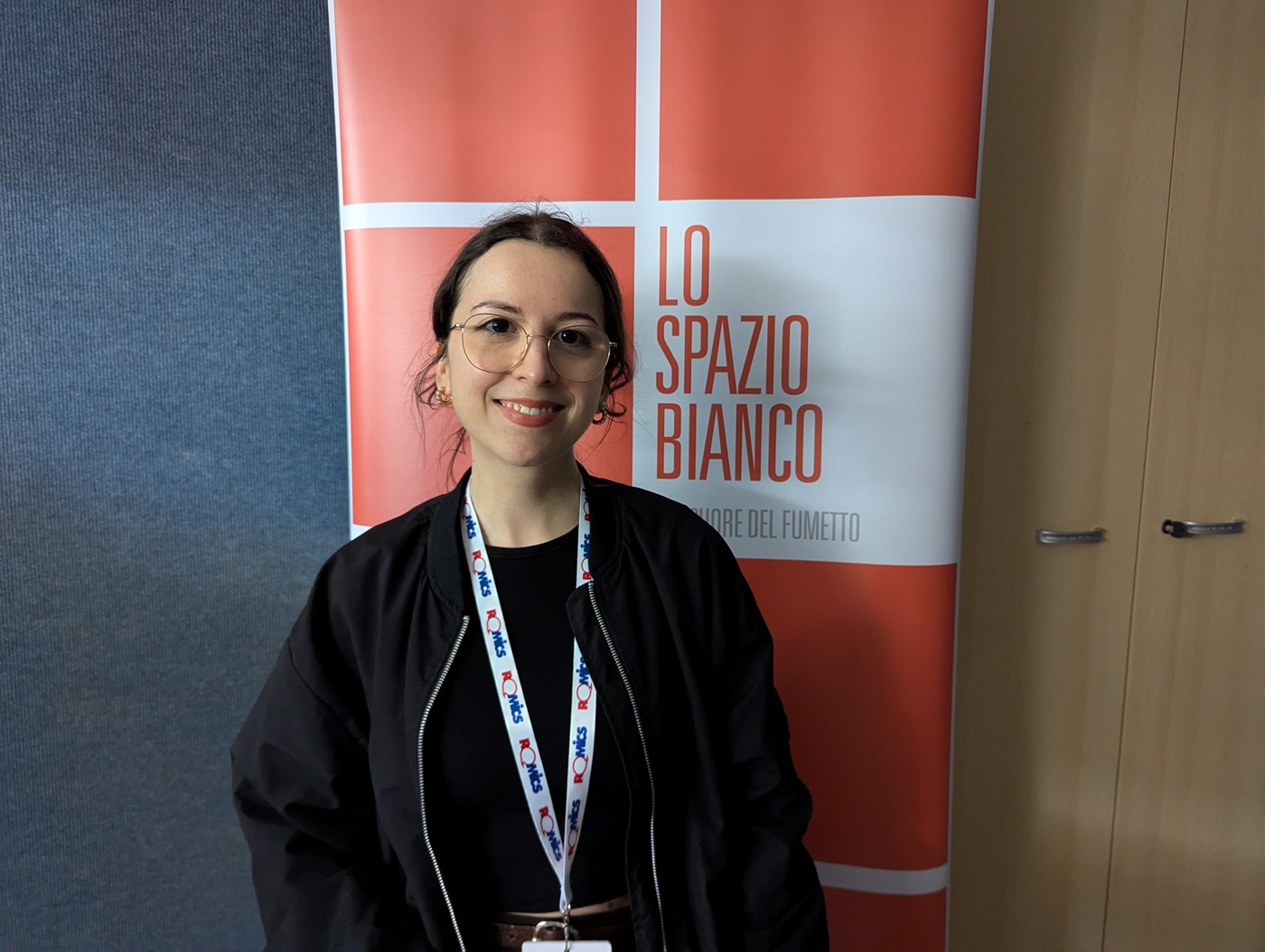
Many thanks to Elena Merino for her support.
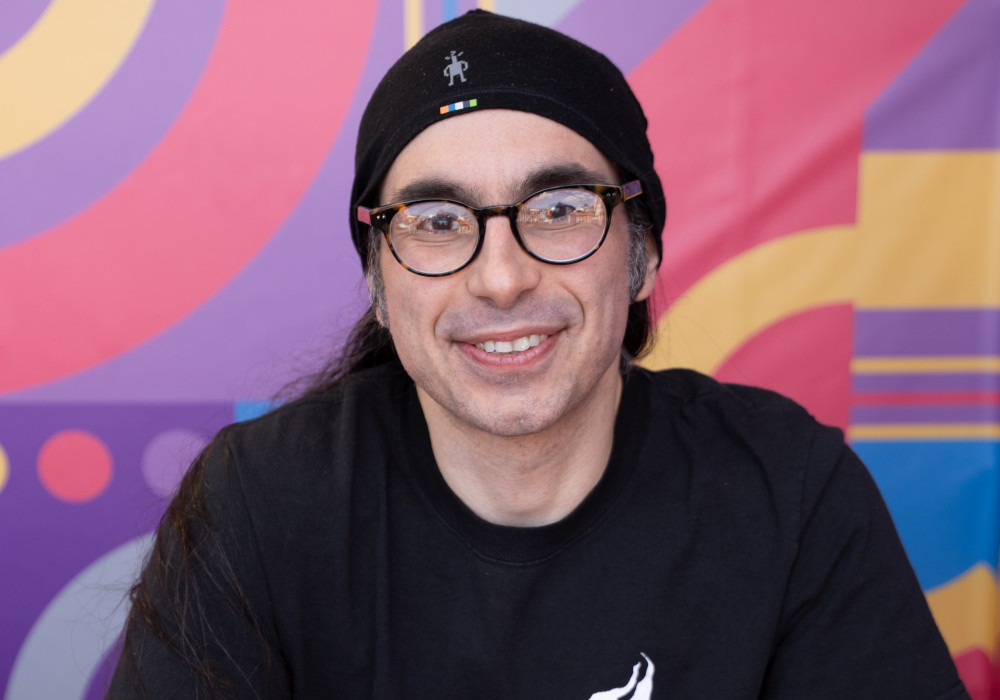
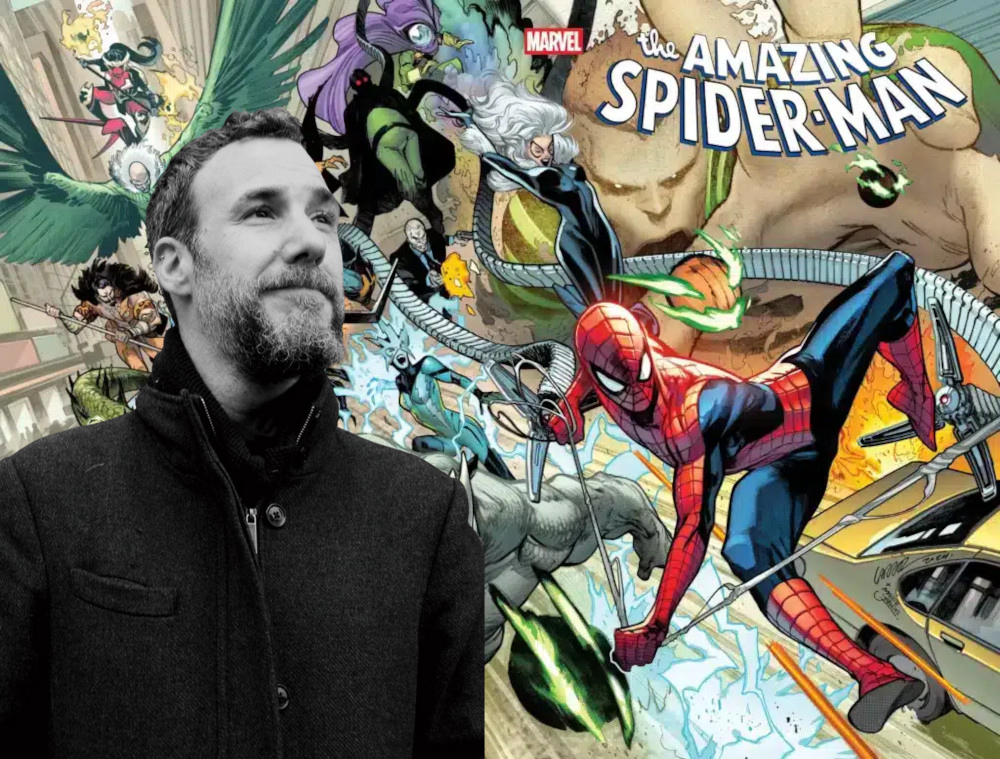
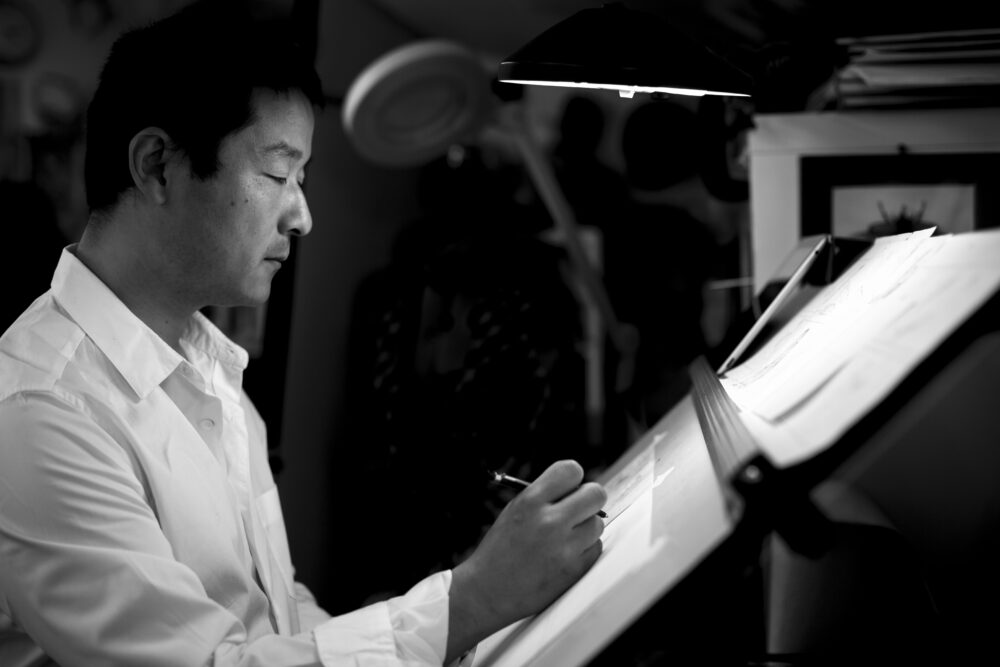
Salvador Larroca
Born in Valencia, Salvador Larroca is a celebrated Spanish comics artist, best known for his work in the American comics industry, particularly for Marvel Comics.
After beginning his career as a cartographer, Larroca entered the comics world in the early 1990s through Marvel UK, working on series including Dark Angel and Death’s Head II. He soon moved to the United States, where he began a long collaboration with Marvel Comics, becoming one of the publisher’s most prolific and recognisable artists. Over the course of his career, he has drawn numerous major series, including Fantastic Four, X-Men, The Invincible Iron Man — for which he won an Eisner Award in 2009 — and Star Wars.
He is known for his highly detailed style and strong visual realism, although fans have sometimes debated his use of reference material in his artwork. Among his most recent works is the graphic novel The Horror Country, created with writer Manuel Carballal.
(Source: Comicon)